How Many Squats a Day to Build Muscle?
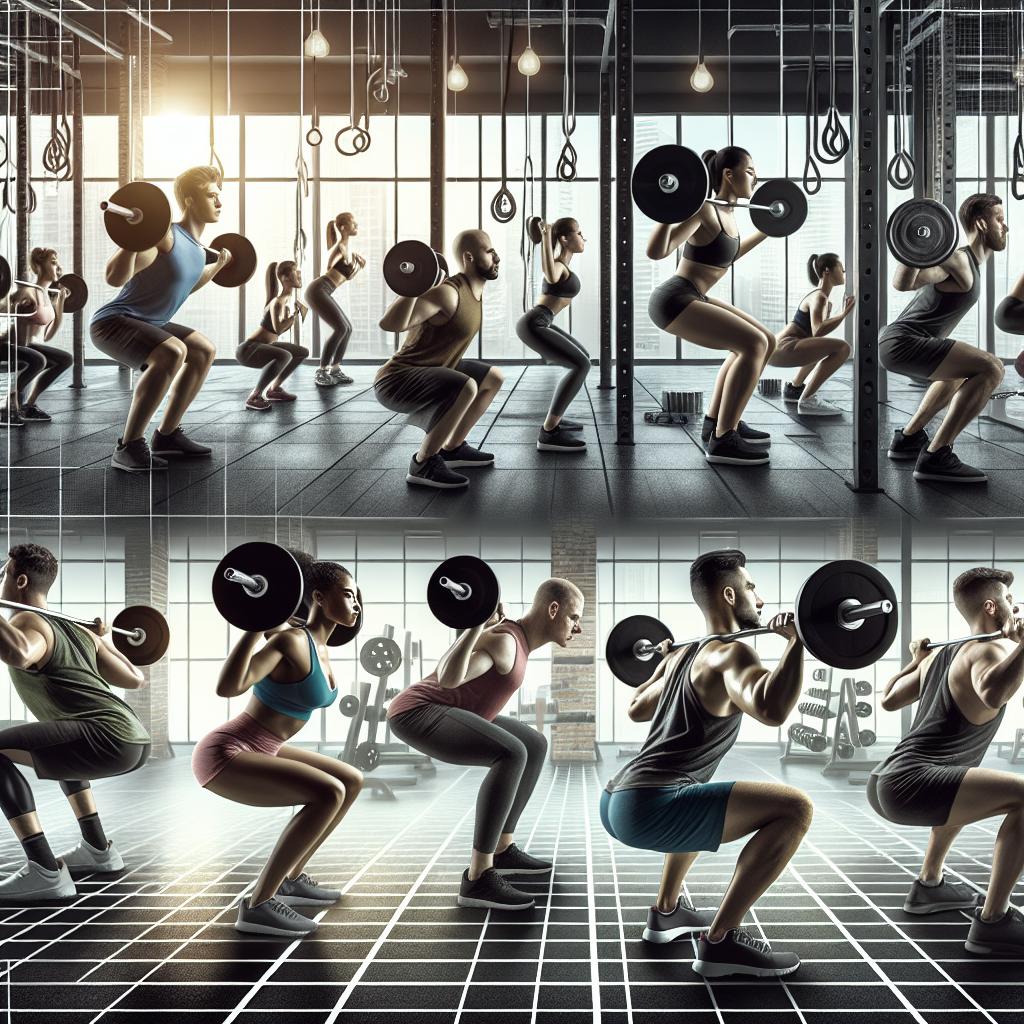
Building muscle through squats is an excellent way to enhance overall fitness. Squats are a versatile exercise that targets multiple muscle groups, primarily focusing on the legs and glutes, but also engaging the core. Whether you’re a beginner or an advanced fitness enthusiast, understanding the numerous squat variations and determining the right number of squats to perform daily can significantly enhance your results. In this article, we’ll guide you through different squat techniques, additional moves to strengthen your glutes, and a 30-day challenge to boost your progress. We’ll also cover essential considerations to keep in mind to maximize your training effectiveness. With tailored approaches and consistency, building muscle through squats can be a rewarding addition to your fitness routine.
How to Get Started
Starting on a squat journey requires understanding the basics of movement, form, and progression. Squats are foundational exercises that, when performed correctly, can drastically improve strength and muscle tone in the lower body. Before diving into high repetition counts, it’s crucial to master the basic squat technique to avoid injury and ensure maximum effectiveness.
Begin with assessing your current fitness level. If you’re new to exercise, start with bodyweight squats to focus on perfecting your form. Keeping your feet shoulder-width apart, ensure your knees align with your toes as you bend down. Compact your core and maintain a straight back throughout the motion. Use a mirror or record yourself to check and adjust your posture. As you grow comfortable with this basic form, gradually introduce different squat variations and resistance to challenge your muscles further.
1. The Basic Squat
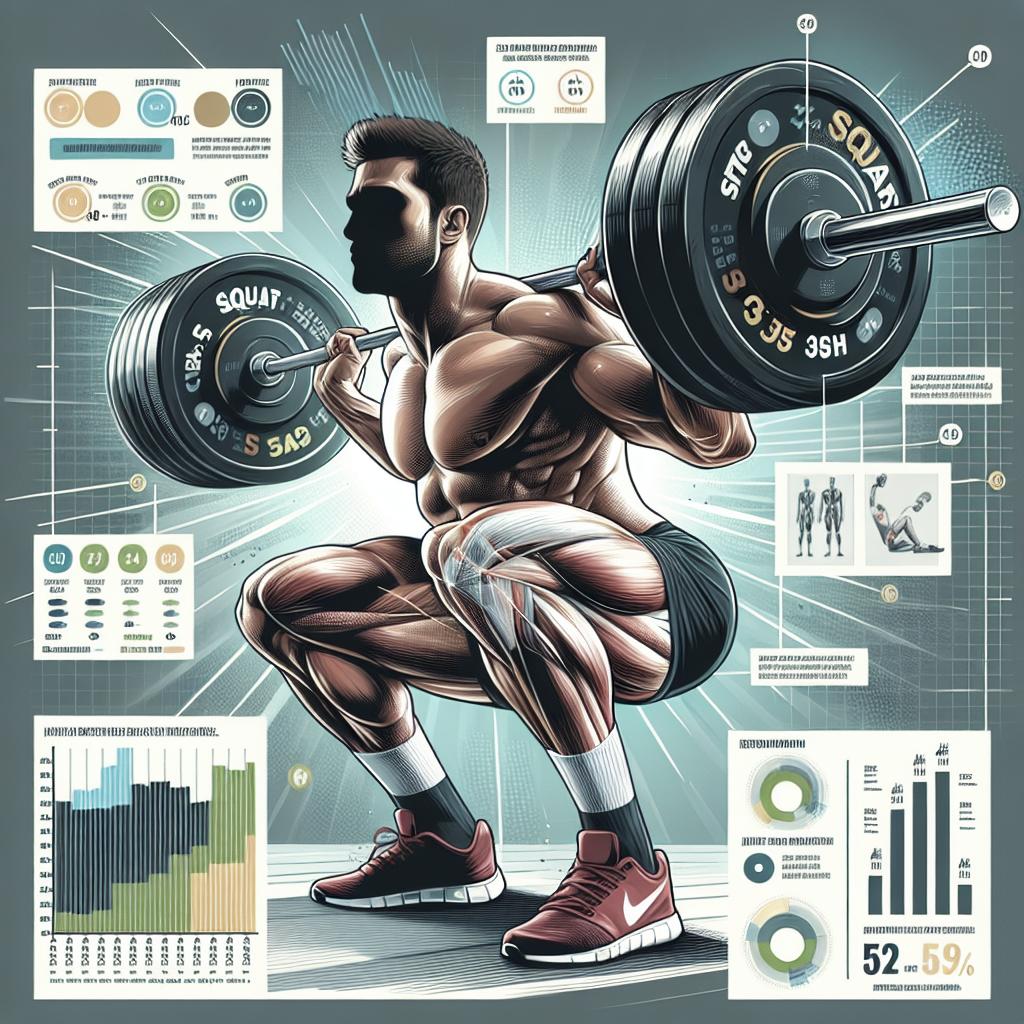
The basic squat is a staple in any strength training regimen. It primarily works the quadriceps, hamstrings, glutes, and calves. This full-body workout is also effective for engaging and strengthening the back and core, aiding in balance and stability. To maximize the benefits of a basic squat, integrate proper breathing techniques—inhale as you lower your body and exhale as you return to the starting position.
As a beginner, aim for three sets of 10-15 repetitions, focusing on achieving perfect form each time. Advanced strength trainers can add dumbbells or barbells to increase resistance, thereby promoting muscle growth. Progressive overload is key here; as your strength improves, either add more reps or increase the weight to continuously challenge your muscles.
2. The Curtsy Squat
The curtsy squat is a dynamic variation that targets more than just the typical leg muscles—it engages the gluteus medius, which is crucial for hip stability and balance. This squat variation also challenges your coordination, making it an excellent addition to your training repertoire.
Start by standing with your feet hip-width apart. Cross one leg behind the other while bending both knees, mimicking a curtsy. Keep your torso upright throughout the movement. Repeat on the other leg. This exercise can be incorporated into your routine two to three times a week, with three sets of 10-12 reps on each leg. Over time, as you master the balance and form, add light weights to increase the intensity.
3. The Split Squat
The split squat is another effective squat variation focusing on unilateral strength—working one side of the body at a time. It emphasizes the quads, glutes, and hamstrings, while also testing your balance and core stability. It can be performed with or without weights for added challenge.
Begin in a staggered stance with one foot forward and the other foot behind you, resting on the toes. Lower your body until the front thigh is parallel to the floor, maintaining an upright torso. Perform 10-12 repetitions per leg for three sets. As you progress, incorporate dumbbells or a barbell to intensify the workout, encouraging further muscle development.
4. The Goblet Squat
The goblet squat is a compound movement that not only strengthens muscles but also enhances flexibility. Holding a weight in front of your chest, similar to a goblet, helps maintain an upright posture, reducing strain on your back and improving form—a crucial aspect for beginners.
Stand with your feet slightly wider than shoulder-width apart, holding a dumbbell or kettlebell close to your chest. Squat down by bending the knees and pushing the hips back, ensuring your elbows touch the insides of your knees. Perform three sets of 10-15 repetitions, maintaining control throughout the movement. This exercise is ideal for building both muscle strength and endurance with consistent practice.
3 Moves to Strengthen Glutes
Integrating exercises that target the glutes can complement your squat routine, leading to a well-rounded lower body workout. The hip thrust, glute bridge, and donkey kicks are excellent moves to engage and strengthen these muscles effectively.
The hip thrust can be performed using a bench and a barbell or with bodyweight alone. This exercise isolates the glutes, improving their strength and appearance. Similarly, the glute bridge is beneficial in activating glute muscles that might not be fully engaged during squats. Donkey kicks provide an intense burn to the gluteus maximus with controlled lifting and lowering of the leg.
Want More? Try Our 30-Day Squat Challenge
For those looking to accelerate their progress, a 30-day squat challenge can be an exciting way to push limits and see significant changes in muscle tone and strength. The challenge consists of daily squat routines that increase in intensity as you build endurance and strength.
Start with a manageable number of squats on the first day, gradually increasing by 5-10 squats each day to reach your maximum effort by day 30. Incorporate different squat variations throughout the month to work various muscle groups and improve overall fitness. Such a challenge can be a powerful motivator and provides a structured approach to building muscle.
Things to Consider
While squats are beneficial, several considerations should be taken into account to prevent injury and optimize results. Proper form is paramount. Avoid common mistakes such as letting knees go past toes or bending the back excessively. Focusing on technique first will lead to better muscle engagement and less risk of strain.
Equally important is recognizing your body’s limits. Progressive overload is essential for muscle growth, but overtraining can lead to injury. Allow sufficient time for recovery, incorporate rest days, and listen to your body’s signals. Nutrition also plays a crucial role alongside exercise; ensure you consume enough protein and calories to fuel muscle repair and growth.
The Bottom Line
Building muscle with squats involves a combination of consistency, proper technique, and progressive challenge through various squat variations and complementary exercises. Understanding the different types of squats and the science behind muscle growth can amplify your fitness outcomes.
With dedication and proper planning, implementing these strategies and exercises can lead to substantial muscular development and improved overall fitness. Whether you’re embarking on a personal journey or engaging in group challenges, the goal remains clear—to build stronger muscles and enhance your body’s capacity. Explore this exciting and rewarding path, adapting and adjusting as you grow stronger.
| Section | Key Points |
|---|---|
| How to Get Started | Understand the basics, assess fitness levels, start with bodyweight squats. |
| 1. The Basic Squat | Target leg and core muscles, priority on form, progressive overload. |
| 2. The Curtsy Squat | Engages gluteus medius, enhances balance, coordinates movement with added weights. |
| 3. The Split Squat | Focus on unilateral strength, core stability, incorporate weights as you progress. |
| 4. The Goblet Squat | Improves flexibility, posture, a good starting point for beginners. |
| 3 Moves to Strengthen Glutes | Incorporate hip thrust, glute bridge, donkey kicks for complementary glute strengthening. |
| Want More? Try Our 30-Day Squat Challenge | Structured challenge to improve endurance and strength with daily progressions. |
| Things to Consider | Prioritize form, progressive overload, rest/recovery, and nutritional support. |
| The Bottom Line | Commitment to consistent practice, adapt strategies, enjoy the physical transformation. |