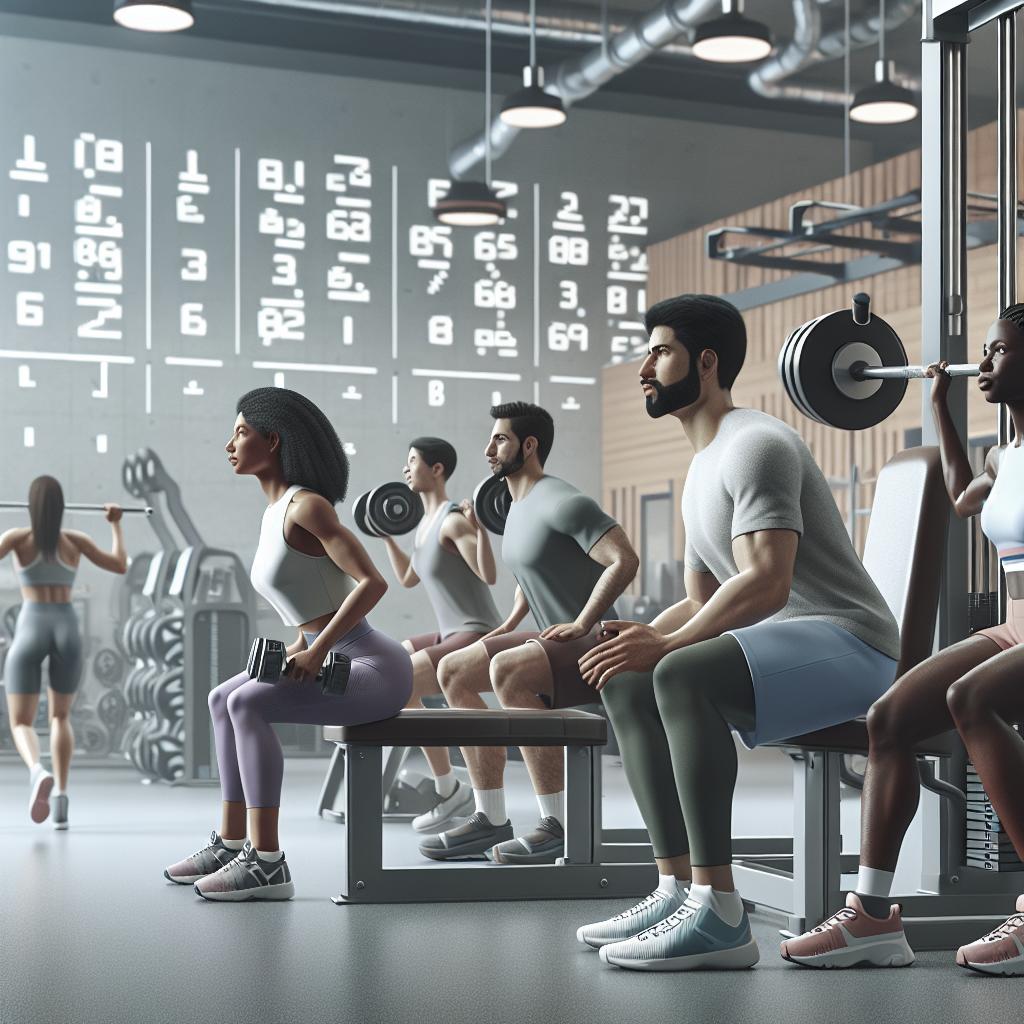
Optimizing Your Leg Workout: A Comprehensive Guide
Training your legs is vital for building strength, power, and endurance. An effective leg workout incorporates multiple movement patterns and exercises to target different muscle groups. In this blog post, we will explore essential components of a well-rounded leg session, including movement patterns, optimal sets and reps, weekly frequency, and proper warm-up and cool-down techniques. Additionally, we’ll dive into specific exercises you can include in your routine, ranging from squats to lunges and deadlifts. Whether you’re a beginner or an experienced lifter, this guide will help you craft a leg workout that suits your fitness goals and enhances your overall performance.
Movement patterns in a good leg workout
A well-rounded leg workout includes several movement patterns to ensure comprehensive muscle engagement and balance. Primary movement patterns include squatting, hinging, lunging, and movements that isolate the glutes and hamstrings. By incorporating a variety of exercises that target these patterns, you not only build muscle evenly but also enhance mobility and prevent injury.
The squat, for example, is a fundamental leg movement that activates multiple muscle groups, including the quadriceps, glutes, and calves. Additionally, hinging movements, like deadlifts and good mornings, emphasize the posterior chain, which helps in developing back strength and enhancing hip mobility. Adding lunges and their variations can improve balance and unilateral strength, contributing to overall functional fitness.
How many sets and reps should you do in your leg workout?
The number of sets and reps in your leg workout should be tailored to your fitness goals. For building muscle, the hypertrophy range of 6-12 reps per set is often recommended, with 3-5 sets per exercise. If your goal is to increase strength, consider lower reps around 1-5 with heavier weights. For endurance, aim for higher reps per set, usually between 12-20, with lighter weights.
It’s essential to listen to your body and adjust accordingly. Consistency and progressive overload, meaning gradually increasing the weight or resistance, are crucial for seeing progress. Varying your reps and sets occasionally can also prevent plateaus and keep your muscles challenged.
How many times per week should you work legs?
The frequency of your leg workouts may depend on your fitness level, goals, and time availability. Generally, training legs 1-3 times a week can be effective. Beginners might start with one dedicated leg day, while more advanced lifters can incorporate up to three sessions, allowing adequate recovery time between workouts.
Regardless of frequency, ensuring proper recovery is crucial to optimizing performance and preventing overtraining. Listen to your body, and if you’re experiencing significant soreness or fatigue, it might be beneficial to adjust your routine or incorporate light active recovery sessions.
How to warm up and cool down properly
Warming up before a leg workout is essential to prepare your muscles and joints, reducing the risk of injury. Start with five to ten minutes of light cardio, followed by dynamic stretches targeting the lower body. Exercises such as leg swings, hip circles, and lunges with a twist can effectively activate your muscles and improve your range of motion.
After your workout, cooling down helps facilitate recovery and reduces muscle soreness. Implement static stretches focusing on the muscle groups worked during your session. Hold each stretch for 15-30 seconds, concentrating on deep breathing to relax your muscles.
Exercises for your leg workout
1. Back squat
The back squat is a staple compound exercise that engages the quadriceps, glutes, and hamstrings. It develops lower body strength and stability, promoting muscle growth and enhancing performance in various sports.
2. Front squat
Front squats shift the weight forward, placing more emphasis on the quadriceps and core. This variation can improve posture and increase coordination while being gentler on the lower back.
3. Romanian deadlift
The Romanian deadlift targets the hamstrings and glutes, focusing on the hip hinge movement. This exercise is excellent for building posterior chain strength and enhancing flexibility.
4. Good mornings
Good mornings are an effective way to target the lower back, glutes, and hamstrings. This hinge movement improves posture and strengthens the muscles involved in daily lifting activities.
5. Walking lunges
Walking lunges are great for building balance, coordination, and leg strength. They target the quadriceps, glutes, and hamstrings, while also improving core stability.
6. Reverse lunge
Reverse lunges challenge stability and balance, emphasizing the glutes and hamstring. This exercise can help correct muscular imbalances and build unilateral strength.
7. Lateral lunge
Lateral lunges improve hip mobility and target the inner and outer thigh muscles. This side-to-side movement increases leg strength and agility, beneficial for sports requiring changes of direction.
8. Stepup
Stepups are a functional and versatile exercise that enhances leg strength and balance. Engaging all major leg muscles, they also improve cardiovascular endurance.
9. Glute bridge
Glute bridges target the glutes and hamstrings, aiding in developing hip extension strength. This exercise can improve overall core stability and alleviate lower back tightness.
10. Hip thrust
Similar to the glute bridge but with a greater range of motion, hip thrusts effectively target the glutes. They help increase lower body power and are popular among athletes focusing on explosive movements.
11. Goblet squat
The goblet squat is a beginner-friendly exercise that helps improve squat technique and lower body strength. Holding a weight in front of the chest requires a strong core, promoting better posture.
12. Leg press
The leg press machine allows focused development of the quadriceps, glutes, and hamstrings. It’s an excellent exercise for those looking to enhance lower body strength without the requirement of complex balance.
13. Leg curl
Leg curls isolate the hamstrings, developing strength that can enhance knee stability and overall leg power. Various machines are used for this, promoting both strength and muscle hypertrophy.
14. Bulgarian split squat
This challenging exercise targets the quadriceps and glutes unilaterally, improving balance and coordination. It’s particularly effective for developing leg strength and mobility.
15. Single-leg deadlift
Single-leg deadlifts are excellent for enhancing balance and strengthening the hamstrings and glutes. This exercise promotes core stability and corrects muscular imbalances.
The bottom line
Crafting a comprehensive leg workout involves understanding movement patterns, selecting the right exercises, and determining the optimal frequency and intensity of your workouts. By integrating a range of exercises like squats, lunges, and deadlifts, you ensure balanced development of all leg muscles, enhancing both strength and functionality. Furthermore, paying attention to warm-ups, cool-downs, and recovery aids in maximizing performance while minimizing injury risks. As you progress, consider consulting with fitness professionals to tailor your routine further to your evolving fitness objectives.
| Aspect | Details |
|---|---|
| Movement patterns | Squatting, hinging, lunging, isolation |
| Sets and reps | Hypertrophy: 6-12 reps per set; Strength: 1-5 reps; Endurance: 12-20 reps |
| Frequency | 1-3 times per week |
| Warm-up and Cool down | Dynamic stretches, static stretches, deep breathing |
| Key Exercises | Squats, lunges, deadlifts, bridges |