The Best Time to Drink a Protein Shake: A Comprehensive Guide
Protein shakes have become increasingly popular as a convenient and efficient way to meet your protein needs. However,
there is often debate about the optimal timing for consuming these shakes. Should you drink them before or after a
workout? Or does the timing even matter at all? This article will explore the best practices for protein shake
consumption, examining key factors such as individual protein requirements, the significance of the so-called
‘anabolic window,’ and the broader context of daily protein intake. Additionally, safety concerns with high protein
diets will be addressed, along with practical tips for hitting your protein targets through both diet and
supplementation. Finally, discover five delicious high-protein foods to help you achieve your nutritional goals.
How much protein do you need?
Determining how much protein you need depends on various factors, including age, sex, physical activity level, and individual health goals. For sedentary adults, the Recommended Dietary Allowance (RDA) is 0.8 grams of protein per kilogram of bodyweight. However, for those engaging in regular physical activity or resistance training, protein requirements often increase to support muscle repair and growth.
Athletes and those looking to build muscle mass may require anywhere between 1.2 to 2.2 grams of protein per kilogram of bodyweight depending on their intensity and type of exercise. Understanding these personalized needs is crucial in planning your dietary intake and determining when protein supplementation, such as shakes, might be beneficial.
Does the ‘anabolic window’ matter?
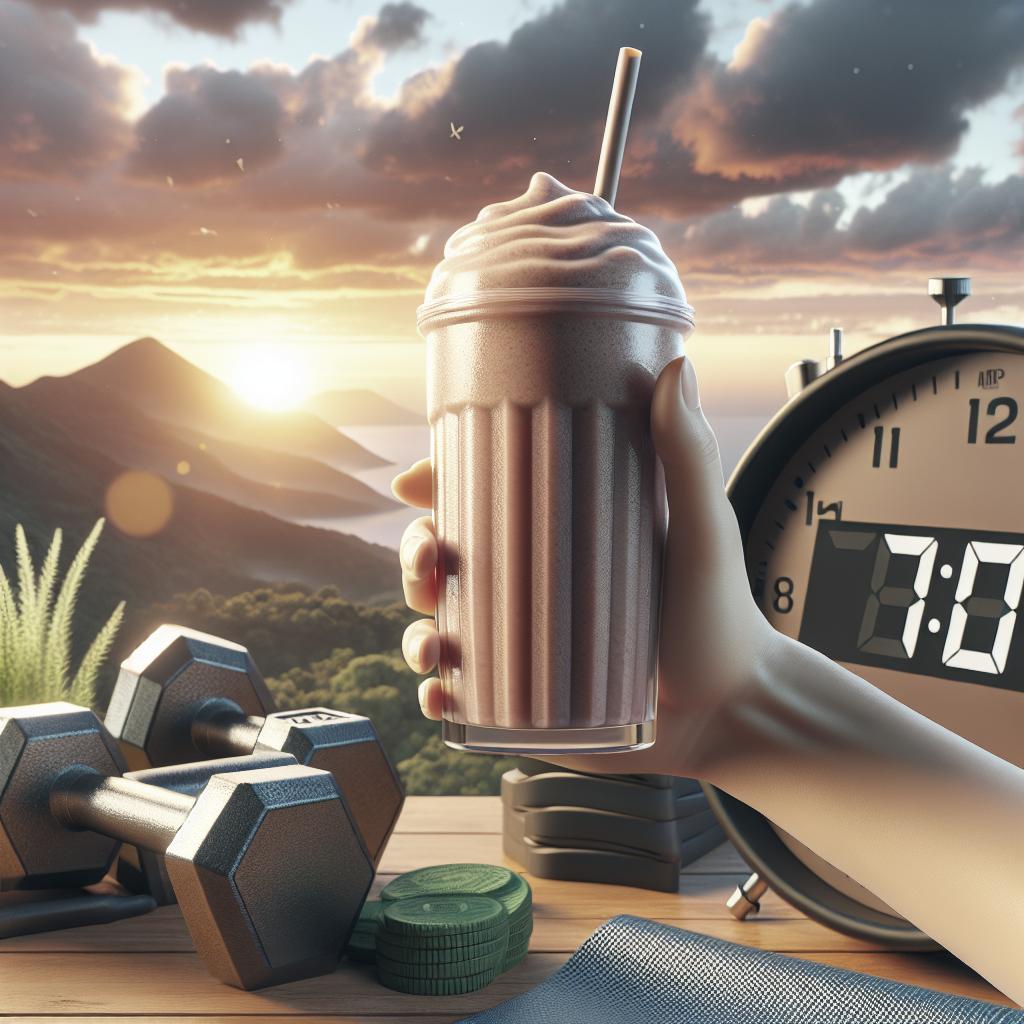
The concept of the ‘anabolic window’ refers to a short period post-exercise where nutritionists suggest proteins and other nutrients can be rapidly absorbed to enhance muscle growth and recovery. Traditionally believed to last around 30 to 60 minutes after exercise, it has been viewed as a critical time for consuming protein shakes to maximize results.
Recent research challenges this view, suggesting that while protein intake after a workout is important, the anabolic window may be less fleeting and more flexible than previously thought. Evidence indicates that total daily protein intake is more significant than precise timing, although consuming protein close to the workout may still offer benefits, especially if you haven’t consumed protein in the hours leading up to your exercise session.
Should you increase your protein before or after a workout?
Whether to increase protein intake before or after a workout depends largely on your personal schedule and dietary intake throughout the day. Pre-workout protein can ensure amino acids are available for muscles during exercise, especially for those undertaking resistance training or endurance sports.
On the other hand, post-workout protein is commonly recommended to support muscle recovery and kickstart the reparative process. Both strategies have merits, and for most people, the decision should be based on convenience and overall dietary patterns, ensuring their protein intake is balanced throughout the day.
Daily protein intake may be more important
Emerging studies highlight the importance of total daily protein intake over specific timing. Ensuring you meet your daily protein requirements helps maintain muscle mass, support metabolic functions, and contribute to overall health.
Instead of focusing solely on the timing in relation to workouts, it’s more effective to distribute protein intake evenly across meals. This practice can promote greater muscle protein synthesis over time, maximizing the benefits of dietary proteins significantly.
How to meet your protein target
Meeting your protein target requires careful planning, combining whole foods with protein supplements like shakes when necessary. Lean meats, dairy, eggs, legumes, nuts, and seeds are excellent sources of dietary protein.
Protein shakes can complement your diet particularly on days when physical activities are higher or time is limited for meal preparation. Always prioritize whole foods for their wider nutrient profile and adjust shake intake according to your dietary shortfalls.
Are high protein diets safe?
High protein diets are generally safe for most individuals when properly planned and balanced with other macronutrients. However, people with certain kidney conditions may need to regulate their protein intake as excess protein could further strain kidney functions.
Consulting with a healthcare professional or a nutritionist before starting a high-protein diet is advisable, especially if you have existing health concerns. Moderation and balance are key to reaping the benefits of protein without unnecessary health risks.
The bottom line
While the exact timing of a protein shake in relation to workouts may have its nuances, a bigger picture approach emphasizing total daily intake ensures satisfactory muscle recovery and growth. Focus on achieving a balanced diet rich in protein across all meals and use shakes as a convenient means to fill in gaps, enhancing overall nutrition.
Always consider personalize your approach based on lifestyle, exercise intensity, and health goals. By integrating these elements, you can maximize the benefits of protein intake effectively.
5 Delicious High Protein Foods to Eat
-
Chicken Breast:
Lean and versatile, packed with essential amino acids. -
Greek Yogurt:
High protein content with probiotics beneficial for gut health. -
Lentils:
A plant-based power food rich in fiber and protein. -
Eggs:
A complete protein source easy to incorporate in various meals. -
Quinoa:
A superfood grain providing all nine essential amino acids.
Future Prospects
| Aspect | Key Takeaway |
|---|---|
| Protein Needs | Varies by individual based on activity and goals; generally 0.8g/kg for sedentary adults, higher for active individuals. |
| Anabolic Window | Importance potentially exaggerated; focus should be on total protein intake. |
| Workout Timing | Both pre-and post-workout proteins have benefits; preference can be based on personal schedule. |
| Protein Distribution | Distribute protein evenly throughout the day for optimal synthesis. |
| High Protein Diet Safety | Safe for most with proper balance; consult professionals if health conditions exist. |