Why Can’t I Do Push-Ups?
Push-ups are a classic exercise that offer numerous benefits, but not everyone finds them achievable right off the bat. In this blog post, we’ll delve into several reasons why you might struggle with push-ups, including poor technique, lack of upper body and core strength, and shoulder stability. Understanding these challenges is the first step towards overcoming them. We’ll explore various push-up techniques, tips for enhancing your core and shoulder strength, and strategies to ultimately master perfect push-ups and even chin-ups. Whether you’re a beginner or someone seeking to refine their push-up form, this guide aims to provide insightful steps to help you progress. So, if you’re asking why you can’t perform push-ups, keep reading to unlock the secrets to success.
What is the Perfect Push-Up?
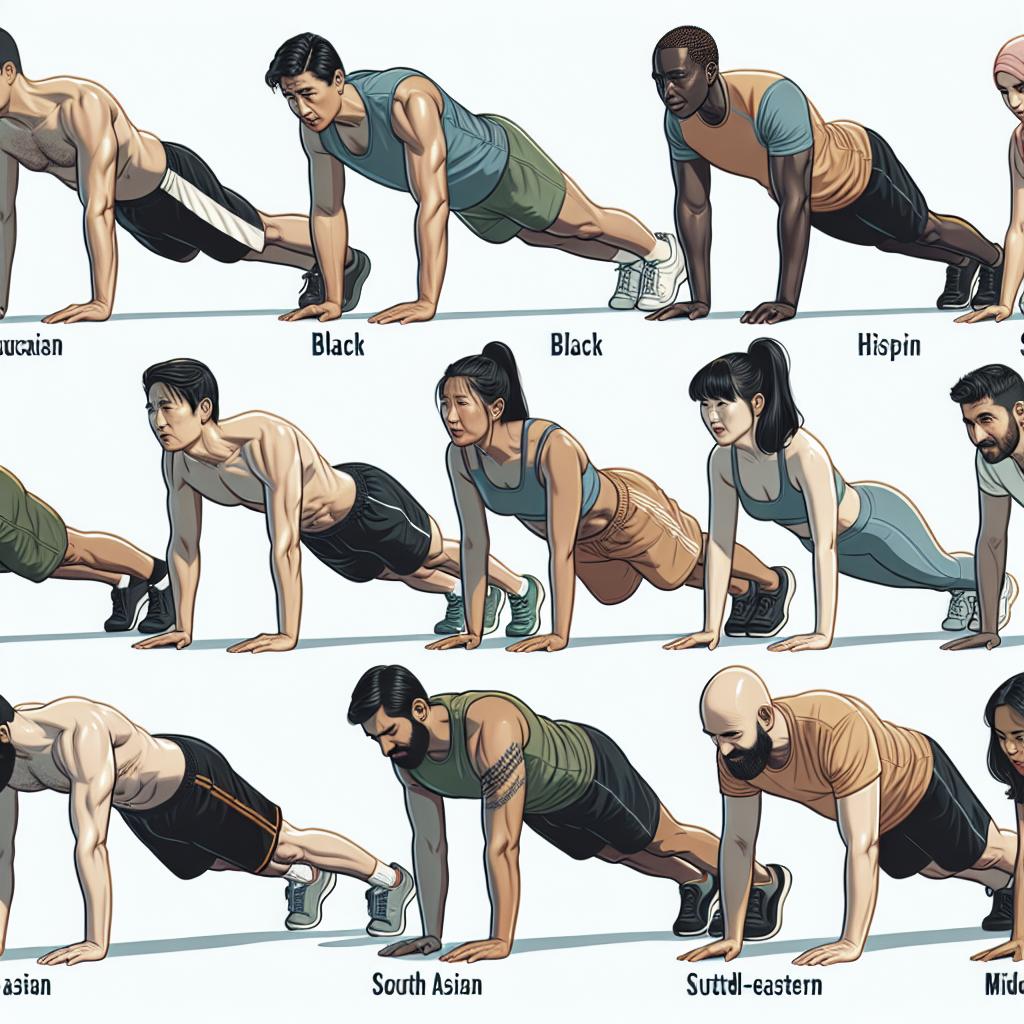
The perfect push-up is a compound exercise that engages multiple muscle groups, including the chest, shoulders, triceps, and core. Achieving a perfect push-up not only looks impressive but also maximizes the benefits of the exercise by promoting strength, stability, and muscular endurance. To perform a perfect push-up, start in a plank position with hands placed slightly wider than shoulder-width apart, ensuring your body forms a straight line from head to heels.
Control is crucial; as you lower your body, engage your core to prevent sagging hips or an arched back. Your elbows should angle out at approximately 45 degrees to avoid unnecessary strain on the shoulders. Once your chest almost touches the ground, push back to the starting position, maintaining a consistent tempo throughout the movement. With precision and practice, everyone can strive to achieve their version of the perfect push-up.
There are Many Different Ways to Perform Push-Ups:
Push-ups are incredibly versatile, with variations designed to target specific muscle groups or accommodate different fitness levels. For beginners, knee push-ups reduce the load on the upper body while still offering a great workout. On the other hand, advanced variations, such as diamond push-ups, elevate the challenge by focusing more intensely on the triceps and inner chest.
For those looking to engage their core more, the stability ball push-up introduces an element of balance, requiring greater stabilization. Each variation serves a unique purpose, whether for building endurance, increasing strength, or simply adding variety to your routine. By consistently incorporating different push-up types, you can enhance your performance and enjoy a well-rounded fitness regimen.
1. Poor Technique Awareness
Poor technique is a common barrier to executing a successful push-up. Many individuals unknowingly adopt incorrect form, which not only hinders performance but also increases the risk of injury. The lack of awareness often stems from not fully understanding the mechanics involved in a push-up. Incorrect hand placement, improper alignment, or failure to engage the core are typical mistakes that affect the efficiency of the exercise.
To counteract poor technique, it is essential to prioritize proper form over quantity. Begin by practicing push-ups in front of a mirror or filming yourself to self-assess and make necessary adjustments. Engaging a fitness professional for a couple of sessions can also provide valuable feedback and guidance, ensuring that your push-up form is optimized for effectiveness and safety.
2. A Lack of Upper Body Pushing Strength
The push-up heavily relies on upper body pushing strength, primarily targeting the chest, shoulders, and triceps. If these muscle groups are underdeveloped, performing a push-up can feel like an insurmountable task. Beginners often struggle to generate the force needed to lift their body, resulting in incomplete or improperly executed push-ups.
Building upper body strength requires a focused training approach. Incorporate resistance training exercises such as bench presses, dumbbell presses, and tricep dips into your routine. Progress gradually by increasing weights and repetitions, ensuring muscles develop the necessary strength to perform a full push-up. Consistency and patience are key in transforming weak upper body muscles into powerhouses capable of efficiently executing push-ups.
3. A Lack of Core Strength and Awareness
A strong core is crucial for maintaining body alignment and stability during a push-up. If your core is weak or lacks endurance, it can cause your hips to sag or your back to overarch, resulting in poor form and decreased efficiency. Many do not realize the extent to which push-ups challenge the core muscles until they experience failure during the exercise.
Core strength is not just about the abs; it involves deep stabilizing muscles that support the spine. Engaging these muscles is pivotal for executing push-ups correctly. Without a stable core, the entire chain of motion can fall out of sync, making the push-up feel significantly more challenging than it should be.
How to Train the Core Strength Needed for Push-Ups?
Enhancing core strength involves incorporating a range of exercises that target various muscles along the torso. Planks and side planks are excellent for promoting endurance and stability, while dynamic movements like mountain climbers and bicycle crunches enhance muscle engagement. These exercises simulate the stabilization required in a push-up, translating to better performance.
In addition to specific core exercises, incorporating Pilates or yoga can also improve overall core strength and awareness. These activities focus on controlled movements and breathing, enhancing body awareness and the ability to maintain proper push-up form. By integrating these core-strengthening activities into your routine, you lay the groundwork for mastering the push-up exercise with greater ease.
4. A Lack of Shoulder Stability
Shoulder stability is a crucial component of performing a push-up, as it supports the upper body through its range of motion. Many struggle with push-ups due to inadequate shoulder stability, which can lead to poor form and increased risk of injury. Instability often arises from muscle imbalances or a lack of functional strength in the rotator cuff muscles.
To enhance shoulder stability, it is important to engage in exercises that target both the strength and endurance of the shoulder girdle. Implementing exercises such as shoulder presses, resistance band pull-aparts, and scapular retractions can significantly improve shoulder stability. Additionally, focusing on proper warm-ups and flexibility can aid in preparing the shoulders for the demands of push-ups.
Summary
Improving push-up performance requires addressing several key areas including technique, strength, core engagement, and shoulder stability. Each of these components plays a vital role in the execution of a proper push-up. By understanding and addressing these factors, individuals can make significant progress in their push-up capabilities.
Whether your goal is to perform your first push-up or advance to more challenging variations, prioritizing these elements is crucial. Consistent practice combined with strategic training will not only enhance your push-up prowess but also contribute to overall functional strength and fitness.
I WANT TO UNLOCK PERFECT PUSH-UPS & CHIN-UPS.
If you’re committed to mastering push-ups and even progressing to chin-ups, it’s time to create a structured plan. Begin with a focus on perfecting your push-up form, utilizing the tips and strategies mentioned above. Gradually build your upper body, core, and shoulder strength through dedicated resistance training.
Set realistic goals and track your progress, celebrating milestones along your journey. Remember, the path to mastering these exercises is not a race but a continuous journey of improvement and self-discovery. Stay disciplined, seek support when needed, and continually challenge yourself to reach new heights in your fitness journey.
| Challenge | Solution |
|---|---|
| Poor Technique Awareness | Prioritize proper form, seek professional guidance, and practice consistently. |
| Lack of Upper Body Strength | Incorporate resistance training targeting chest, shoulders, and triceps. |
| Lack of Core Strength | Engage in core-strengthening exercises like planks and add Pilates or yoga. |
| Lack of Shoulder Stability | Focus on shoulder stability exercises and functional strength routines. |